
How to Choose the Right Motorcycle Helmet
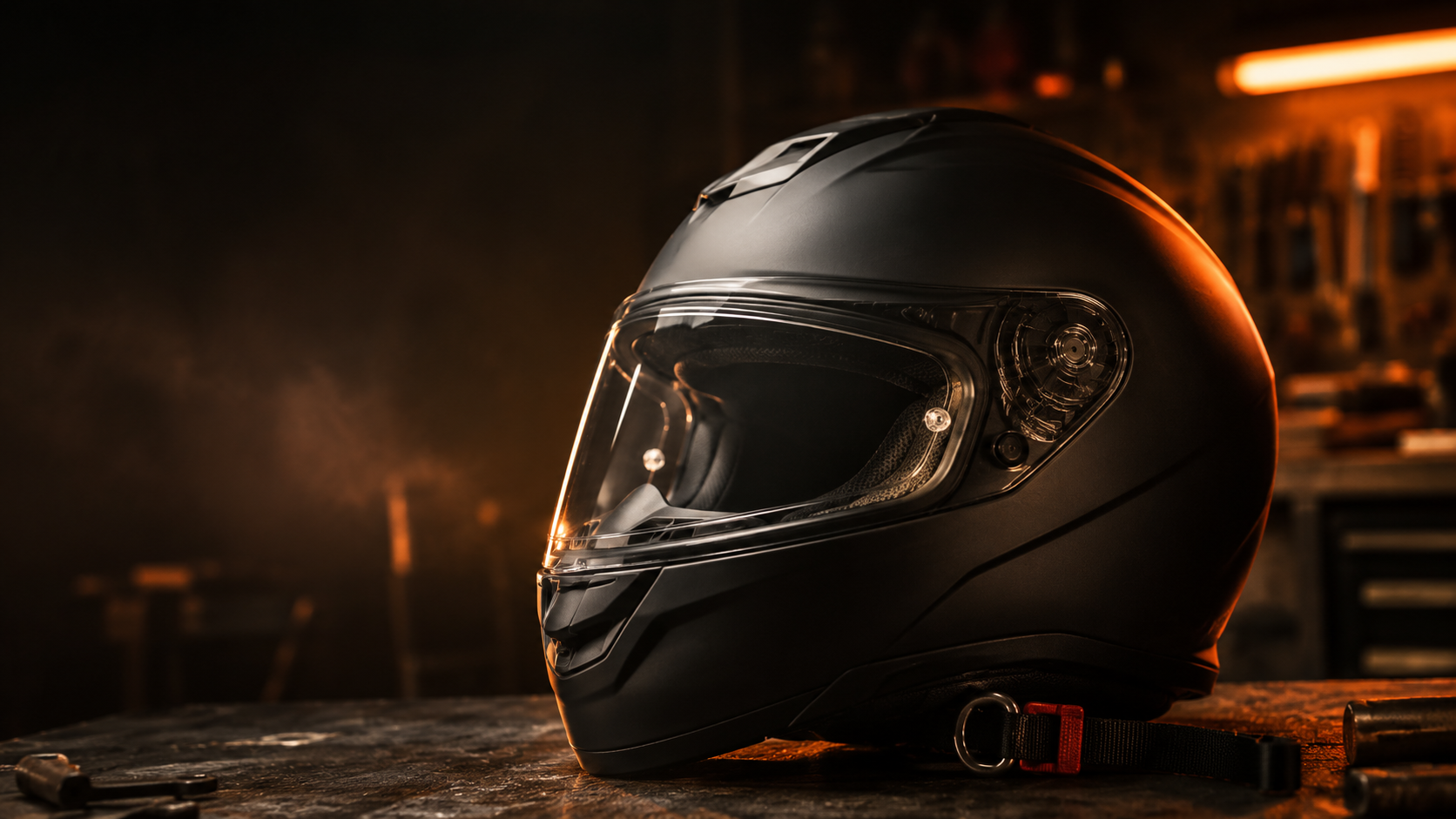
Your helmet is the single most important piece of gear you own. A good one is comfortable enough that you forget it is there, and protective enough that you never regret the choice. Here is how to get both right.
Get the fit right first
A helmet that is too loose moves around at speed and can come off in a crash; one that is too tight gives you a headache within twenty minutes. Measure the circumference of your head about 2 cm above your eyebrows and match it to the maker’s size chart rather than guessing your usual size.
- The cheek pads should press your cheeks firmly without pinching.
- There should be no gap between your brow and the inner lining.
- Shake your head side to side — the helmet should move your skin, not slide on it.
- After 10 minutes there should be no sharp pressure points.
Understand the safety ratings
A certification sticker means the helmet passed a recognised impact standard. In Malaysia, look for the SIRIM mark as a baseline; international standards such as DOT (US) and ECE 22.06 (Europe) are stricter and worth paying a little more for.
- SIRIM — the minimum legal standard for road use in Malaysia.
- DOT — United States Department of Transportation standard.
- ECE 22.06 — the current European standard, with rotational-impact testing.
Pick the right type for your riding
Full-face helmets give the most coverage and the quietest, most weather-proof ride — the best all-round choice. Open-face helmets are cooler and great for short city hops but leave your chin exposed. Modular helmets flip up for convenience at the cost of a little extra weight.
Settle on fit and certification first, then choose the type that matches how you actually ride. Get those three right and the rest — colour, graphics, visor tint — is just personal taste.
Related reads
 Maintenance
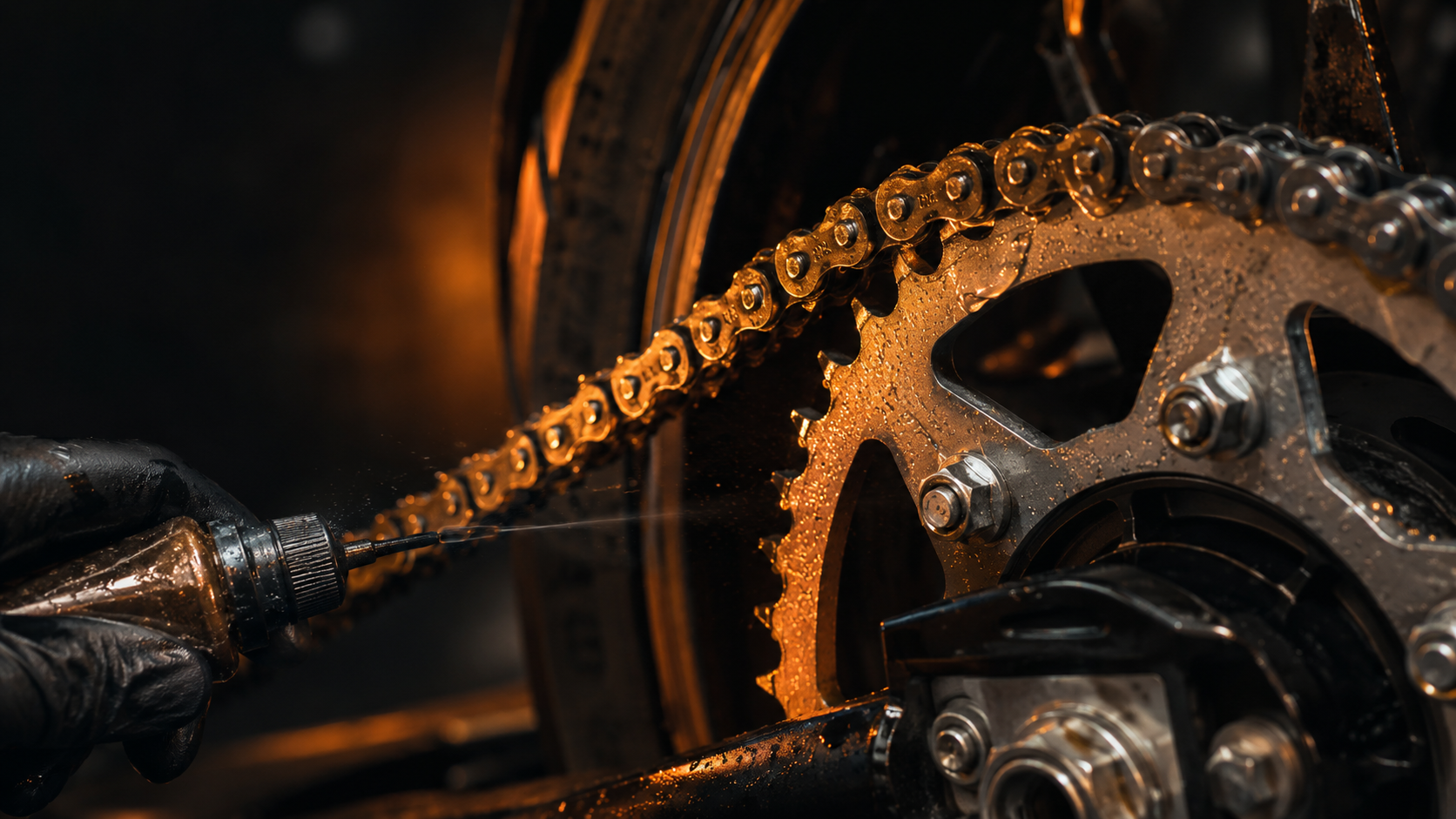
5 Chain & Sprocket Maintenance Tips
A clean, properly tensioned chain runs smoother, lasts longer and saves fuel. Five quick habits that keep your drivetrain healthy.
 Guides
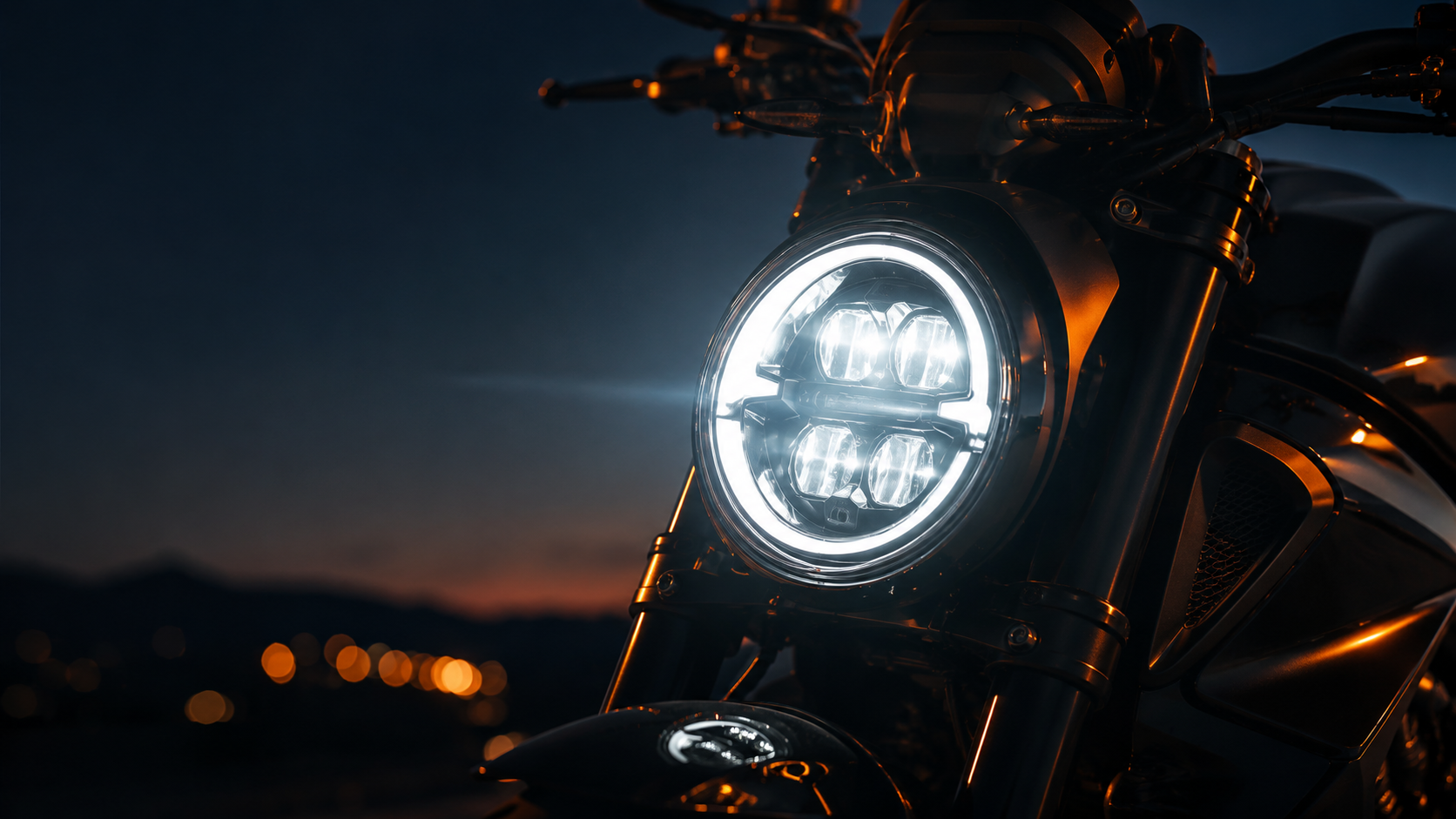
Upgrading to LED Headlights: A Beginner’s Guide
Brighter nights, lower power draw and a sharper look. What an LED headlight upgrade gives you — and what to check before you buy.